
What is Ro & UV purification ?
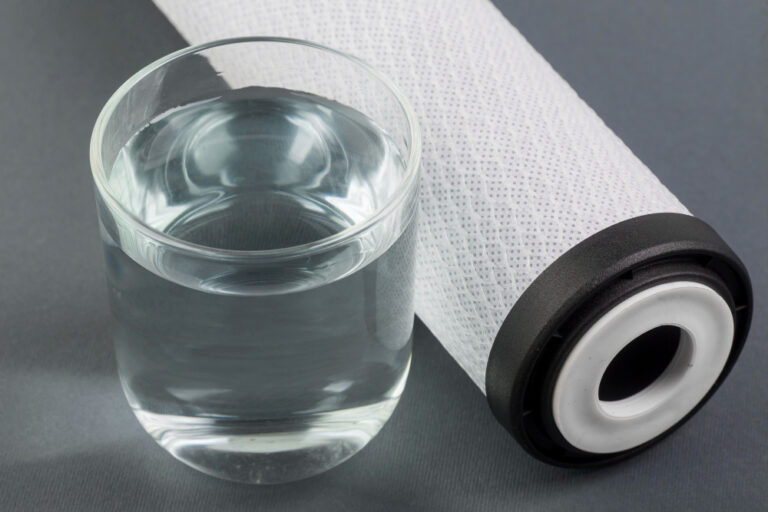
Reverse Osmosis (RO) purification is a water treatment process that uses a semi-permeable membrane to remove dissolved salts, heavy metals, harmful chemicals, and other contaminants that are invisible to the naked eye. When water is forced through this membrane under pressure, impurities like arsenic, fluoride, lead, mercury, and pesticides are filtered out, leaving behind clean and safe drinking water. RO is especially effective in areas with hard water or high levels of Total Dissolved Solids (TDS).
RO (Reverse Osmosis) Purification:
Works by forcing water through a semi-permeable membrane.
Removes dissolved salts, heavy metals (like lead, arsenic, mercury), chemicals, pesticides, and other impurities that can’t be filtered by normal methods.
Makes water taste lighter and safer but can also reduce some essential minerals (good brands add minerals back).
Ultraviolet (UV) purification, on the other hand, is a disinfection method that uses powerful UV light rays to kill or inactivate microorganisms such as bacteria, viruses, and protozoa. Unlike RO, it doesn’t remove dissolved salts or chemicals but ensures that the water is microbiologically safe. Since UV only works on clear water, it is often combined with other purification methods like RO or UF for complete protection.
UV (Ultraviolet) Purification:
Uses ultraviolet light rays to kill or inactivate bacteria, viruses, and microbes.
It doesn’t remove dissolved salts or chemicals—just makes water microbiologically safe.
Works best with already clear water (not muddy or hard water).
Together, RO and UV purification systems ensure that drinking water is both chemically pure and biologically safe, providing a comprehensive solution for households and offices that want guaranteed protection against both impurities and harmful germs.