
What is TDS and Why higher TDS water is bad for health ?
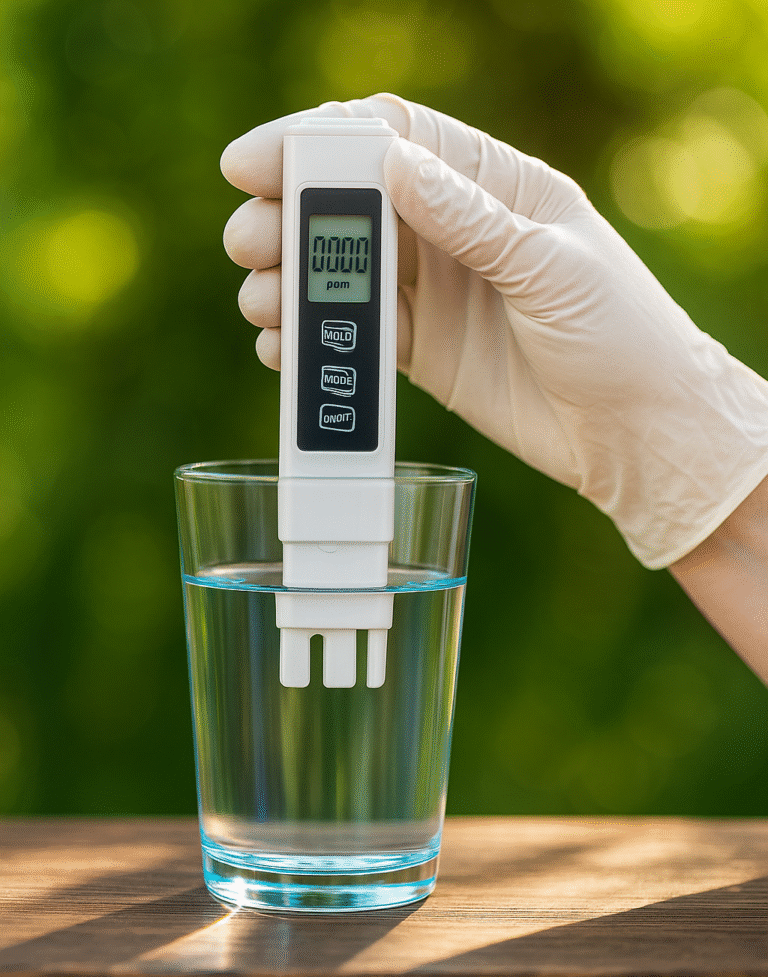
Total Dissolved Solids (TDS) is the measure of all minerals, salts, and organic matter dissolved in water, expressed in parts per million (ppm). While a moderate amount of TDS is essential because it includes beneficial minerals like calcium, magnesium, and potassium, an excess can be harmful to health. High TDS water often contains excessive salts, heavy metals such as lead, arsenic, or mercury, and even traces of industrial or agricultural pollutants. Drinking such water regularly can lead to kidney strain, digestive problems, and long-term health risks. It also tends to taste salty, bitter, or metallic, making it unpleasant to consume. Ideally, drinking water should have a TDS level between 50–150 ppm, which is both safe and good-tasting, while levels above 500 ppm are considered unsafe. This is why water purifiers, especially those with RO technology, play a vital role in reducing TDS to healthy limits, ensuring safe and refreshing water for daily consumption.
Ideal range :
50–150 ppm → Best for drinking (balanced minerals, good taste).
150–300 ppm → Acceptable and safe for most people.
Above 500 ppm → Not recommended for drinking.
Why high TDS water is bad for health :
- Health on kidneys
- Health risks
- Digestive problem
- Taste & Appearence